
Keys Locked in Trunk? How to Access Your Trunk Without Damaging the Latch
Sturvo Editorial · August 9, 2026
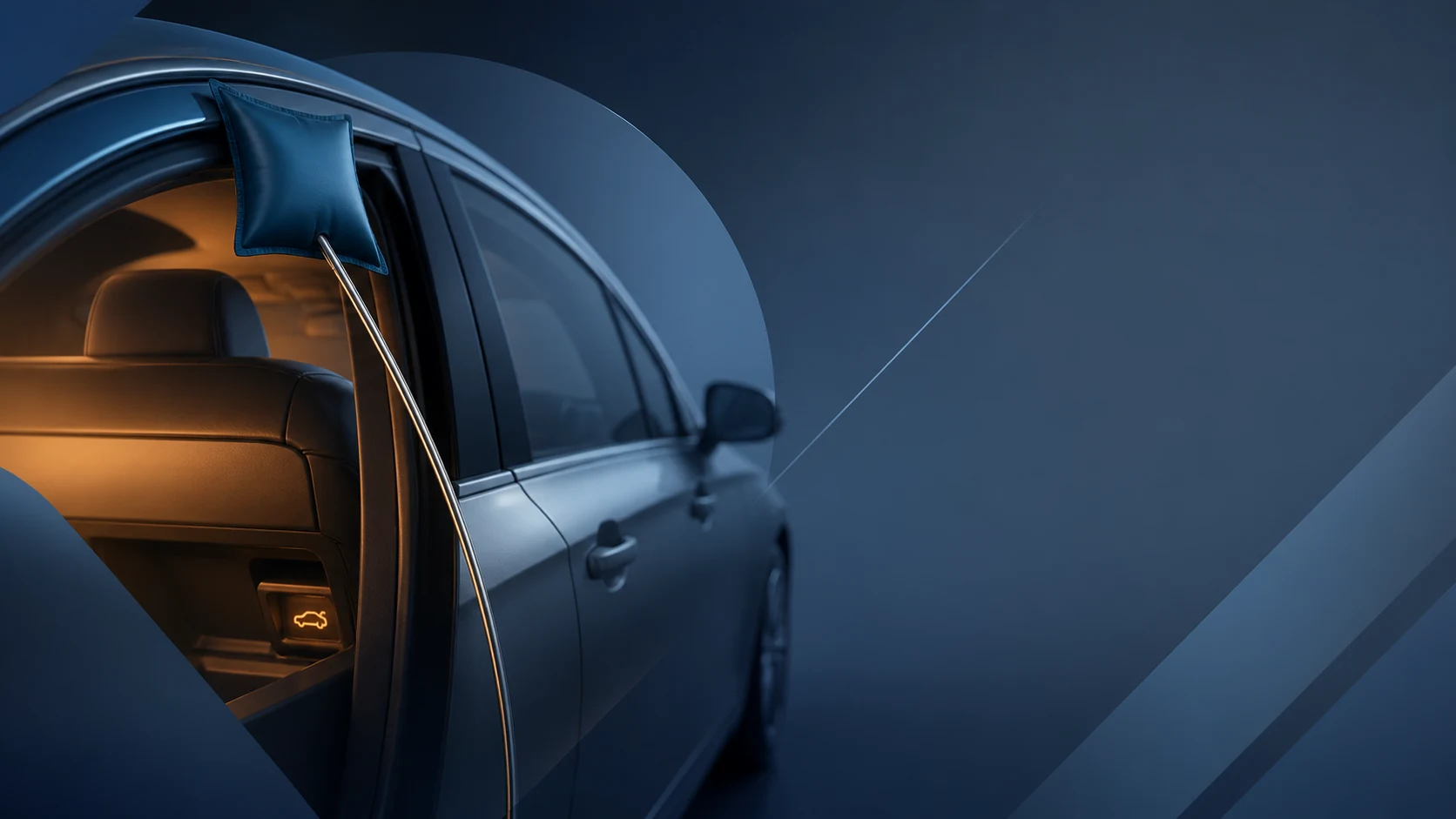
Safety & Legal Disclaimer
IMPORTANT NOTICE: The entry methods and techniques described in this guide are intended solely for vehicle owners or individuals who have explicit, legal authorization from the owner to access the vehicle. Attempting unauthorized entry into any vehicle is illegal.
EMERGENCY WARNING: If a child or pet is locked inside a vehicle during hot or extreme weather conditions, do not attempt DIY entry. Call emergency services (such as 911 in the U.S.) immediately, as interior car temperatures can reach life-threatening levels in a matter of minutes.
Accidentally shutting your keys inside the trunk is one of the most frustrating lockout scenarios. Whether you tossed your ring inside while loading groceries or the trunk lid snapped shut automatically, retrieving keys from a locked trunk requires a different tactical approach than recovering keys left on the front driver seat.
While doors have visible lock pins and electronic buttons, trunk lock mechanisms are reinforced with anti-theft shields and deadbolts. Attempting to pry open a trunk lid directly with a metal tool will warp the sheet metal, strip the latch mechanism, and shatter weather seals.
This guide outlines safe, non-destructive workflows to regain access to your trunk by bypassing the cabin door first or utilizing internal pass-through mechanisms.
Why Trunk Lockouts Require a Unique Strategy
Unlike side doors, modern trunk lids are built without exterior access gaps that can be easily manipulated from the outside. Trying to insert tools around the rubber seal of the trunk lid risks permanent body damage.
Trunk access relies primarily on indirect entry through the main cabin. Vehicle trunk mechanisms fall into three main operational categories:
- Electronic Dashboard / Console Release Buttons: Most modern sedans, SUVs, and hatchbacks feature a trunk release button near the steering wheel or glove box.
- Manual Floor-Mounted Cable Levers: Found in many Japanese and Korean models, a mechanical lever on the floor beside the driver's seat pulls a physical steel cable connected to the trunk latch.
- Interior Rear Seat Pass-Throughs: Vehicles with folding rear seats allow access directly into the cargo hold from inside the cabin.
Understanding which system your vehicle uses dictates your recovery path.
Method 1: Reaching the Cabin Trunk Controls via Door Entry
Because direct trunk prying is unsafe and ineffective, the standard operating procedure is to create controlled access through a passenger door, then activate the vehicle's interior trunk controls.
- Air wedge door gap — create a non-marring clearance at the door frame.
- Long-reach insertion — guide the rod through the gap without scratching trim.
- Press trunk button / pull floor lever — activate the cabin trunk control.
Step A: Creating a Controlled Door Gap
Never use rigid metal pry bars against painted door frames. Instead, use a non-marking inflatable TPU air wedge:
- Slide a thin plastic wedge aid into the top corner of the driver or passenger door frame to create a tiny entry point.
- Insert a deflated air wedge into the gap.
- Gently pump the air wedge to create a 0.5-inch to 1-inch clearance. Do not over-inflate, as excessive pressure can bend the door window frame.
Step B: Manipulating Internal Controls
Once clearance is established, insert a multi-piece long-reach rod. A comprehensive tool set like the Sturvo 27 PCS Car Lockout Kit provides modular extensions and rubberized tips designed specifically to grab levers or press buttons without scratching interior trim.
- For Electronic Release Buttons: Angle the rubberized tip of the long-reach rod onto the trunk release button on the dashboard or door panel, and press firmly.
- For Floor Levers: Hook the curved end of the rod under the floor lever and pull upward.
Note: If your general vehicle doors are also locked, review our comprehensive hub guide on what to do when keys are locked in your car for general cabin access fundamentals.
Method 2: Accessing the Trunk via Rear Seat Pass-Through
Some vehicle manufacturers program electronic trunk buttons to deactivate when the master anti-theft system is armed. If pressing the interior trunk button fails to pop the lid, your secondary target is the rear seat fold-down mechanism.
How to Fold Rear Seats from inside the Cabin:
- Locate Rear Seat Release Handles: Look for plastic pull-straps or button latches along the top shoulder of the rear seats or near the center armrest.
- Use the Long-Reach Rod: Maneuver your rod through the door gap to hook the seat release strap or depress the latch button.
- Push the Seat Forward: Apply steady pressure with the rod against the seatback until it unlatches and tilts forward into the cabin.
- Retrieve the Keys or Pull Emergency Release: Once the seat is folded down, climb or reach into the trunk space. Every vehicle sold in the U.S. since 2002 features a glow-in-the-dark emergency trunk release handle inside the cargo hold. Pulling this handle immediately mechanical-releases the trunk latch.
Method 3: Handling Valet Locks and Disabled Trunk Relays
Many luxury sedans and coupes feature a physical Valet Lock switch located inside the glovebox or near the steering column. When flipped, this switch completely disconnects the electronic trunk button circuit to prevent valet drivers from accessing private cargo.
If you press the interior trunk button and hear a silent click without the trunk opening:
- Check if your vehicle's glovebox contains a manual lockout switch.
- If the glovebox is locked, you must rely on folding the rear seats as detailed in Method 2.
- For vehicles without folding rear seats (such as certain luxury sports cars or sedans with rigid steel bulkheads), DIY entry options become highly restricted, and contacting a professional is recommended.
Comparison of Trunk Access Workflows
| Access Method | Target Mechanism | Required Tools | Risk of Paint/Body Damage | Success Rate |
|---|---|---|---|---|
| Cabin Door -> Trunk Button | Dashboard / Door Button | Air Wedge + Long Reach Rod | Very Low (with non-marring tools) | High (unless valet locked) |
| Cabin Door -> Floor Lever | Physical Cable Pull | Air Wedge + Hooked Rod | Very Low | Very High |
| Rear Seat Pass-Through | Seat Latch + Trunk Pull | Air Wedge + Long Reach Tool | Low | High (on vehicles with folding seats) |
| Direct Trunk Lid Prying | Exterior Latch Gap | Metal Pry Bars (Not Recommended) | Severe (Dented metal, torn seals) | Extremely Low |
DIY Kit Preparation vs. Locksmith Cost Analysis
When facing a trunk lockout without home tools, drivers typically face two choices: call a mobile locksmith or use a pre-purchased emergency toolkit.
- Typical U.S. Locksmith Service Range: Calling a professional locksmith for an emergency vehicle lockout generally costs between $50 and $150 per visit, depending on distance, time of day, and weather conditions. Nighttime, weekend, or holiday service calls often push rates to the higher end of that spectrum.
- Emergency DIY Preparation: A dedicated entry set—such as the Sturvo 27 PCS Car Lockout Kit (~$33 one-time reference price)—pays for itself during a single lockout incident. Storing a kit in a garage, home storage closet, or secondary family car ensures you are prepared before an emergency occurs.
For a detailed breakdowns on operational trade-offs, read our full article on car lockout kits vs locksmith services.
Best Practices to Prevent Body and Seal Damage
Using improper technique can cause cosmetic or functional damage to your vehicle. Follow these protection guidelines during dry-runs or active entry:
- Avoid Metal-on-Paint Contact: Never use unshielded screwdrivers, crowbars, or wire hangers. They scratch clear coats and cause rust spots.
- Inflate Air Wedges Incrementally: Only pump the wedge enough to clear your tool head (roughly 0.75 inches). Over-inflation can distort door frames, resulting in wind noise while driving.
- Use Non-Marring Pry Wedges: Use non-marking plastic pry aids to open initial gaps between door trim without gouging rubber weather seals.
- Perform a Home Dry-Run: Practice assembling and inserting long-reach extensions on your vehicle while you have your keys in hand. Learning how your door frame flexes under low stress eliminates panic during a real lockout.
When to Stop DIY and Call a Professional
While DIY tools handle standard door and trunk release scenarios, certain edge cases require stopping immediately to avoid costly electrical or mechanical damage:
- Dead Vehicle Battery + Electronic Trunk Latch: If the car's main 12V battery is completely dead and the trunk has no mechanical key cylinder, electronic trunk buttons will not function.
- High-Security Anti-Theft Deadlocks: Certain European luxury models feature shielded interior door handles that decouple when locked, rendering simple internal handle pulls ineffective.
- Extreme Weather or High Stress: If environmental conditions are hazardous or you are unsafe on the shoulder of a highway, call roadside assistance or a professional locksmith rather than attempting a roadside repair.
Summary Checklist for Trunk Lockouts
- Confirm all occupants and pets are safe outside the vehicle.
- Determine if your car uses an electronic trunk button, a floor lever, or a rear seat pass-through.
- Use an air wedge to gently flex a front or rear door frame.
- Insert a long-reach rod to press the trunk release button or hook the seat-fold mechanism.
- Access the cargo area and pull the internal emergency trunk release handle if necessary.
- Store a proper multi-piece toolkit like the Sturvo 27 PCS Car Lockout Kit at home so you are always prepared.
Locked Out? Get Back In Yourself
The Sturvo 27 PCS Car Unlock Kit includes an inflatable air wedge, long reach tools, pry tools and a zippered carry bag — everything mentioned in this guide, for less than a single locksmith visit.
As an Amazon Associate we may earn from qualifying purchases.